
Five Questions: With Katherine Bourque
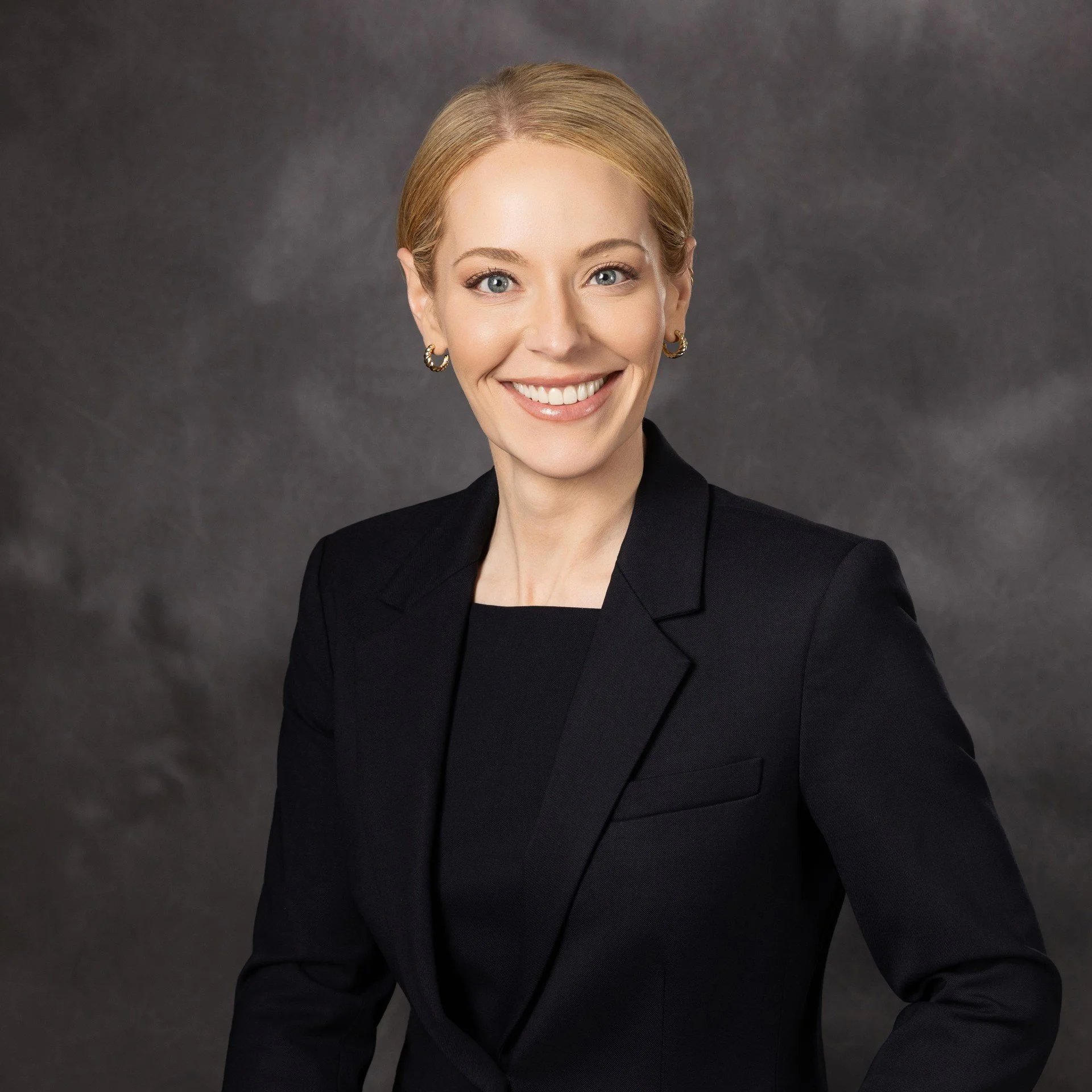
Katherine Bourque
Chief Customer Officer, Unitil
1. What are you seeing right now that you think people in New Hampshire should be paying more attention to?
Residents should be paying attention to how quickly the energy landscape is changing. New technologies and changing patterns of energy use—including solar generation, battery storage, heat pumps and electric vehicles—are changing how customers interact with the energy system.
At the same time, the basics still matter. Customers need safe, reliable and affordable energy. Keeping the electric and natural gas systems reliable requires thoughtful planning, investment and people with the skills to manage increasingly complex systems.
Innovation has enormous potential, but it ultimately has to translate into something meaningful for the people and businesses using energy every day in New Hampshire.
2. What is the biggest challenge facing New Hampshire over the next few years?
From an energy perspective, one of the biggest challenges will be keeping energy affordable while maintaining the reliable service that families and businesses depend on. When energy costs rise, the impact can be felt quickly, particularly by households on fixed incomes.
Maintaining a reliable system also requires ongoing investment. That means making prudent, cost-effective decisions, improving efficiency and being thoughtful about costs. There is no single solution for every customer, which makes clear information, practical tools and options for managing energy use increasingly important.
3. What's happening in your industry that you think will have the biggest impact on New Hampshire?
One of the most significant changes is the evolving relationship between customers and the electric and natural gas systems. For a long time, utilities delivered energy and customers used it. That's changing.
Customers now have more information, more choices and more ways to manage how and when they use energy. Unitil's new smart electric meters, currently being installed across the state, are one example. They provide more detailed information about energy use and can give customers greater control over their costs.
We're also seeing more electric vehicles, heat pumps, solar and other technologies changing patterns of energy use. Our goal is to give customers a more active role in the energy system and help them make the best decisions for their homes and businesses.
4. If you could change one thing about New Hampshire, what would it be?
As much as I love winter, I wouldn't object to shorter ones.
Although we can't change the weather, we can prepare for it. At Unitil, that means investing in the reliability and resilience of our electric and natural gas systems and making sure our teams are prepared to respond safely and quickly when severe weather strikes our communities.
I think there's a lesson in that for every business. You can't always control the conditions you operate in, but you can control how you prepare for them.
5. What's one piece of advice you'd give to someone trying to succeed in New Hampshire today?
New Hampshire is a special place. I'd encourage anyone looking to succeed here to build strong partnerships and take the time to understand and appreciate their communities. Local knowledge matters, and the people who live and work here understand their communities' priorities and challenges.
Building relationships early helps create trust and understanding before challenges arise. The stronger our connections are to the places we serve, the better equipped we are to meet the challenges ahead and help New Hampshire remain a place where people and businesses can thrive.